
Short Sale Real Estate: How a Short Sale Works for Homeowners
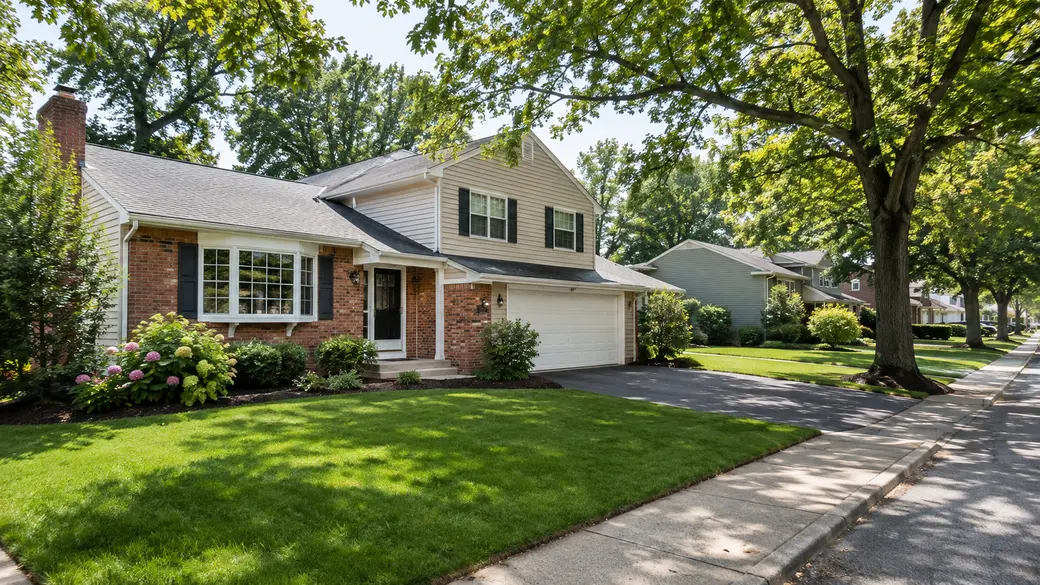
Short sale real estate allows an eligible homeowner to sell for less than the mortgage payoff when the lender approves the transaction. For Cherry Hill Township homeowners with negative equity and a documented hardship, a short sale can offer a more controlled alternative to foreclosure, but the lender's written terms, timeline, and treatment of any unpaid balance are essential.
What Is a Short Sale?
A short sale is a lender-approved home sale in which the proceeds do not fully cover the mortgage balance and related payoff amounts. The Consumer Financial Protection Bureau describes it as a loss-mitigation option that may help a homeowner avoid foreclosure.
The homeowner still owns and markets the property, accepts an offer, and completes many of the usual steps in a sale. The defining difference is that the mortgage lender must approve the final terms because the sale proceeds will not fully satisfy the amount owed.
For example, a homeowner may owe more than the property can reasonably sell for after closing costs, liens, and mortgage payoff amounts. If the lender agrees to accept the net proceeds, release its lien, and allow the transaction to close, the sale is treated as a short sale.
A short sale is not simply a low-priced listing. It is a financial-relief transaction involving lender review, a documented hardship, and a written approval package.
Who May Qualify
Homeowners may qualify for a short sale when they have a documented hardship, insufficient equity to cover the payoff, and a lender willing to review the request.
Lenders assess every file individually, but common circumstances can include job loss, reduced income, divorce, illness, relocation, or another significant financial change. Having negative equity by itself may not be enough. The lender generally needs to understand why the homeowner cannot continue making payments or bring funds to closing.
For Cherry Hill Township homeowners, starting the conversation early can be important when financial strain is increasing. New Jersey foreclosures move through the state court system and involve formal notices, filing deadlines, and legal requirements, so homeowners should seek qualified legal guidance before making decisions about a possible short sale.
A lender may request documentation such as:
- A hardship letter explaining the circumstances
- Recent income records and bank statements
- Tax returns and a monthly financial statement
- Mortgage statements and payoff information
- Documents supporting the hardship
- Information about other liens, unpaid balances, or claims against the property
Homeowners should not assume missed payments are required before exploring a short sale. A mortgage servicer or housing counselor can explain available loss-mitigation options based on the loan and the homeowner's financial circumstances.
The Short Sale Process Step by Step
A short sale begins with a home sale plan, then moves through lender review and approval before closing.
- Review the financial position. The homeowner identifies the mortgage payoff, estimated selling costs, other liens, and the property's likely market value.
- Contact the mortgage servicer. The homeowner asks about short-sale requirements and requests the lender's loss-mitigation application or short-sale package.
- Prepare a hardship package. Financial documents and a clear hardship letter are assembled for lender review. Complete, organized paperwork can reduce avoidable delays.
- List and market the home. The property is marketed to attract a qualified buyer. Pricing should reflect market conditions and the lender's likely evaluation of the proposed sale.
- Receive and negotiate an offer. The homeowner can negotiate with a buyer, but accepting an offer does not complete the transaction. The offer remains subject to lender approval.
- Submit the offer to the lender. The lender reviews the purchase contract, buyer qualifications, estimated closing figures, hardship documents, and other required information.
- Respond to lender requests. The lender may request updated statements, additional documents, or revised terms. When more than one lienholder is involved, each party may need to approve the arrangement.
- Review the approval letter. The written approval should state the accepted terms, closing deadline, lien-release conditions, and treatment of any remaining debt.
- Close the sale. Once all conditions are met, the transaction proceeds to closing and the lender receives the approved funds. Cherry Hill's standard resale steps, including the smoke and carbon monoxide certificate, still apply.
Because the lender has a central role in short sale real estate, clear communication and accurate documentation matter throughout the process.
How Long Short Sales Take
Short sales often take longer than standard home sales because lender approval adds a separate review stage.
The timeline can vary based on the lender, the completeness of the seller's file, the number of liens, buyer financing, and whether the lender requests additional information. A seller may find a buyer relatively quickly, then wait through a separate review period before receiving a final decision.
Setting realistic expectations helps homeowners make better decisions while the property is listed. Buyers also need to understand that an accepted offer is not the same as lender approval, so responsive communication and realistic closing expectations are important.
Deficiency Balances
A deficiency balance is the amount remaining between what is owed and what the lender receives from the approved short sale.
Whether a lender forgives that balance, reserves rights to pursue it, or agrees to another arrangement depends on the loan documents, New Jersey law, lender policies, and the specific approval letter. Homeowners should not assume that lender approval automatically means the remaining debt has been forgiven.
Cherry Hill Township homeowners should have a New Jersey real estate attorney review the lender's written approval before closing. The homeowner should understand, in writing, whether the lender will release the debt in full or retain any right to seek payment after the sale.
Credit and Tax Considerations
A short sale can affect credit, although its impact may differ from foreclosure and depends partly on the homeowner's payment history before closing.
Late mortgage payments, delinquency status, and other credit activity can all influence the outcome. A short sale may be less damaging than foreclosure in some circumstances, but it remains a serious credit event and should not be viewed as consequence-free.
Canceled mortgage debt can also create tax questions, and the rules changed this year. The federal exclusion for forgiven debt on a primary residence, known as the qualified principal residence indebtedness exclusion, expired for debt discharged after December 31, 2025, unless the discharge was arranged in a written agreement entered into before January 1, 2026. That means forgiven mortgage debt from a 2026 short sale may be treated as taxable income unless another exception applies, such as insolvency or a bankruptcy discharge. Congress has extended this exclusion retroactively in the past, so the rules could change again. Homeowners should consult a qualified tax professional before closing rather than relying on general guidance for a decision with long-term financial consequences.
Short Sale vs. Foreclosure vs. Deed in Lieu
A short sale, foreclosure, and deed in lieu are potential outcomes when a homeowner cannot sustain a mortgage payment, but each follows a different path.
| Option | Who controls the process | Lender approval | Key consideration |
|---|---|---|---|
| Short sale | Homeowner markets the property and works with a buyer | Required before closing | The lender must approve the sale terms and payoff arrangement |
| Foreclosure | Lender initiates the legal process | Not a seller-directed sale | The homeowner has less control over timing and disposition |
| Deed in lieu | Homeowner voluntarily transfers ownership to the lender | Required | There is no open-market sale to a third-party buyer |
A short sale may offer more control than foreclosure because the homeowner participates in pricing, marketing, and selecting an offer before lender approval. A deed in lieu can be another alternative, but it may not fit every situation, particularly where other liens or title issues exist. Loan modifications and other workouts are also worth reviewing, and the full range of foreclosure alternatives in Cherry Hill can help frame the comparison.
The right path depends on the homeowner's financial position, loan terms, timing, and legal circumstances. Professional legal and tax guidance can help clarify the consequences of each option.
Making the Short Sale Decision
Short sale real estate can offer a more controlled exit than foreclosure when a Cherry Hill Township homeowner owes more than the home can sell for and has a documented hardship. It requires careful preparation, lender approval, and a clear understanding of the final written terms, especially any remaining debt obligations.
Before deciding, confirm all liens, obtain written terms for how any unpaid balance will be handled, and discuss personal legal and tax consequences with qualified professionals. Speaking with the mortgage servicer early can also help a homeowner understand the available timeline.
Considering a Short Sale in Cherry Hill?
Val Gallagher of Legacy Homes Group, a REALTOR® with SRES, CPRES, and ABR designations, helps Cherry Hill Township homeowners prepare short sale packages, price and market the home, and stay on top of lender communication through approval. Her background in estate sales and senior transitions means the conversation starts with your timeline and situation, not a sales pitch.
Call +1 (856) 904-7785, email val@legacyhomesgroupnj.com, or reach out here to learn whether a short sale fits your situation.
What you get when you reach out:
- A confidential review of whether a short sale may be an option
- A list of documents lenders typically request
- Guidance through lender communication from listing to closing
If you are still weighing whether to sell at all, the steps involved in listing a Cherry Hill home are a practical starting point for organizing next steps.
Frequently Asked Questions
Do I need lender approval for a short sale?
Yes. Even after a seller and buyer agree to a price, the mortgage lender must authorize the sale price, payoff arrangement, and closing terms before the transaction can proceed.
Will I owe money after a short sale?
Possibly. Responsibility for any unpaid mortgage amount depends on New Jersey law and the lender's written approval, so homeowners should have the agreement reviewed before closing. Forgiven debt may also carry federal tax consequences now that the primary residence exclusion has expired for most 2026 discharges.
How long does a short sale take?
The process can extend beyond a regular home sale because the lender must examine the financial package, purchase offer, lien information, and proposed payoff before authorizing closing.
Is a short sale better than foreclosure?
A short sale can give a homeowner more involvement in marketing and selecting an offer, but the better option depends on individual financial circumstances, legal considerations, and timing.
Categories
Recent Posts





"My job is to find and attract mastery-based agents to the office, protect the culture, and make sure everyone is happy! "