
Pre-Foreclosure Home Selling: How to Sell Before It's Too Late
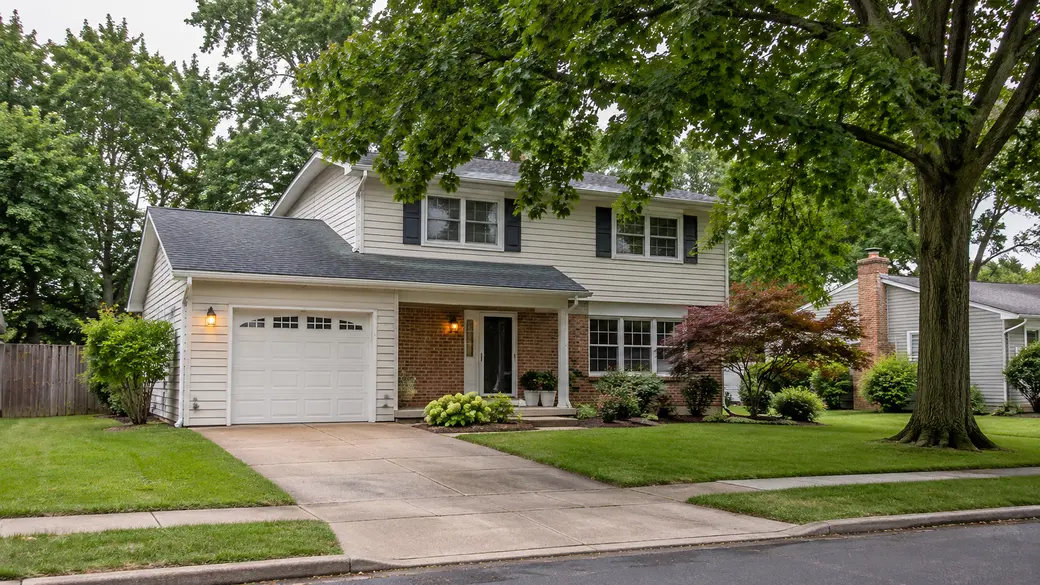
Pre-foreclosure home selling can preserve more of your choices because you still own the property and may be able to sell before a foreclosure sale occurs. The immediate priority is to understand every deadline, compare likely sale proceeds with the mortgage payoff, and respond promptly to lender communications.
A missed payment does not automatically mean a home will be sold at auction. However, notices can signal that the timeline is becoming more urgent. For Cherry Hill Township homeowners, an organized response can create room to consider a conventional sale, a lender-approved short sale, or a plan to retain the home.
What Pre-Foreclosure Means
Pre-foreclosure home selling means marketing and closing on a home before a foreclosure sale transfers ownership to another party. It commonly begins after missed payments and lender notices, although the labels and sequence can differ by loan servicer and state process.
Keep every letter, email, and court document in one place. Look for dates, contact information, account details, and any scheduled events. Request a current payoff figure from the loan servicer, since the amount needed to resolve the loan can include principal, accrued interest, late charges, and other permitted costs.
New Jersey uses a judicial foreclosure process, meaning foreclosure cases proceed through the court system. The New Jersey Courts foreclosure information explains the court process and available resources for homeowners. Your specific notices, loan documents, and court filings determine which deadlines apply to you.
Federal mortgage-servicing protections and the timeline for a foreclosure sale can also vary with the circumstances. Federal servicing rules generally prevent a servicer from making the first foreclosure filing until a loan is more than 120 days delinquent, which is one reason early action matters. The Consumer Financial Protection Bureau advises homeowners who are struggling with payments to contact their servicer quickly and respond to outreach, and it notes that state law affects the time between the formal legal process and a sale.
Why Selling Early Helps
Selling early in pre-foreclosure usually gives a homeowner more control over pricing, preparation, buyer selection, and closing terms. More time can make it easier to present the property well, evaluate offers carefully, and coordinate the payoff process before a critical deadline approaches.
For homeowners with meaningful equity, the goal is often a standard market sale that pays the mortgage balance and selling expenses, leaving any remaining proceeds to the seller. In higher-price segments, careful positioning matters. A rushed price reduction without a clear strategy can reduce proceeds, while an unrealistic list price can cost valuable time.
Early action also gives you time to make a housing plan for after closing. That may include renting temporarily, moving closer to family, or choosing a smaller home that better fits your current budget. The decision is personal, but waiting rarely creates additional flexibility.
Talk to Your Lender
Contacting your lender or mortgage servicer promptly can clarify the deadline, payoff amount, and available loss-mitigation options. Ask where your loan stands, whether a sale date is scheduled, which documents the servicer needs, and how a pending sale should be communicated.
In New Jersey, a lender generally must send a Notice of Intent to Foreclose at least 30 days before filing a foreclosure complaint. Review that notice and any court papers immediately, because each document may create a separate response, cure, mediation, or sale-planning deadline.
Do not ignore calls or letters merely because the situation feels overwhelming. Keep a written record of each conversation, including the date, representative's name, reference number, and any next step discussed. If you are pursuing a sale, tell the servicer that you are working toward one and ask how it wants updates delivered.
A lender may review options such as a repayment arrangement, temporary payment relief, or a loan modification. Those options can be useful for an owner who wants to remain in the home, while a sale may be more appropriate for someone whose financial circumstances or timeline point toward moving.
Legal questions about notices, court filings, or proposed agreements should be directed to a qualified New Jersey attorney or legal-aid provider. A real estate sale plan and legal advice serve different purposes, and both may matter when deadlines are close.
Selling With Equity vs. Without
Whether you have equity determines whether a conventional sale may pay off the loan in full or whether lender approval may be needed for a short sale. The key figure is not simply the list price. It is the anticipated sale price minus the mortgage payoff, closing costs, liens, buyer concessions, and other applicable expenses.
Start by comparing the lender's written payoff amount with a realistic estimate of what the property could sell for in its present condition. That comparison provides the foundation for choosing a sale path.
| Expected net proceeds | Typical path | Key considerations |
|---|---|---|
| Enough to cover the payoff and sale costs | Traditional sale | Confirm the payoff amount, market the home appropriately, and plan for closing before key deadlines. |
| Not enough to cover the full payoff | Short sale discussion | The lender must review and approve terms, and legal and tax guidance may be important before accepting an agreement. |
If expected proceeds cover the payoff and costs, a conventional sale may allow you to resolve the loan at closing and retain remaining equity. If proceeds fall short, a short sale may be worth discussing with the lender.
A short sale is not automatically the right answer. It can require additional documentation, lender review, and a buyer willing to work within the process. Forgiven mortgage debt can also carry federal tax consequences, since the exclusion for primary residence debt expired for most discharges after December 31, 2025. Before proceeding, homeowners should obtain qualified legal and tax guidance about their individual circumstances.
Pricing and Timing
Pricing to sell within your timeline means setting an asking price that reflects the home's condition, competing inventory, buyer demand, and the date by which you need to close. The right price is not always the highest possible number on paper. It is the price that can attract credible buyers in time to complete the transaction.
A focused plan may include preparing only the improvements that will materially help the sale, arranging professional marketing, and reviewing offers based on both price and certainty of closing. An offer with a shorter financing timeline and fewer unresolved conditions may be more useful than a higher offer that cannot close before a key deadline.
For local context, recently closed sales and property-specific comparable sales can help ground the price. Market conditions should inform the strategy, but notice dates and payoff requirements remain central to the decision. Remember that Cherry Hill resales also require a smoke and carbon monoxide certificate and a Certificate of Continued Occupancy, so those steps belong on the closing calendar from day one.
Avoiding Scams and Pressure
Legitimate help should give you time to review documents, ask questions, and make decisions without coercion. Be cautious when someone contacts you unexpectedly, promises a guaranteed result, demands upfront fees, or pressures you to sign paperwork immediately.
Do not sign over ownership, give someone control of your loan payments, or share sensitive financial information without understanding exactly what you are agreeing to. Read every document before signing, keep copies, and seek independent legal advice when a proposed arrangement is unclear.
A credible real estate professional should explain estimated net proceeds, the marketing plan, the likely timeline, and limitations that could affect a sale. Clear communication is especially important when a homeowner is deciding between a conventional sale and a lender-approved short sale.
Free Help Available
Free housing counseling and legal-help resources can help homeowners understand options before they make a major decision. A HUD-approved counselor can discuss mortgage hardship options and help organize communications with a servicer.
New Jersey homeowners may also explore the New Jersey Housing and Mortgage Finance Agency's Foreclosure Mediation Assistance Program, which provides free foreclosure-prevention and pre-foreclosure counseling through participating housing counselors in each county, available remotely. Homeowners with an active foreclosure case may also qualify for the New Jersey Judiciary's Foreclosure Mediation Program. A counselor can help build an action plan and determine whether additional support may be appropriate.
If you need legal advice about notices, court filings, taxes, or the consequences of a proposed agreement, contact a qualified attorney or legal-aid organization. Real estate guidance and legal guidance serve different purposes, and both can be important when deadlines are close.
Your Next Steps
The sooner you act in pre-foreclosure, the more control you keep over your timeline, sale strategy, and remaining equity. Gather your notices, request a payoff statement, speak with your lender, and assess whether a conventional sale or a lender-approved short sale fits your situation. Comparing each sale path side by side can make that decision clearer.
Pre-foreclosure home selling is time-sensitive, but it does not require making a rushed decision without information. A clear plan, reliable documentation, and qualified support can help Cherry Hill Township homeowners move forward before a foreclosure sale.
Received a Default Notice?
Val Gallagher of Legacy Homes Group, a REALTOR® with SRES, CPRES, and ABR designations, helps Cherry Hill Township homeowners understand their timeline and options before a foreclosure sale, with pricing strategy, marketing, and negotiation built around the deadlines in your notices.
Call +1 (856) 904-7785, email val@legacyhomesgroupnj.com, or reach out here for a confidential conversation.
What you get when you reach out:
- A confidential timeline review based on your notices
- A home value estimate to see if you have equity
- A selling plan built to close before key deadlines
FAQ
Can I sell my home during pre-foreclosure?
Usually, you can sell while you retain ownership and before the foreclosure sale takes place. Your closing needs to occur soon enough to satisfy the payoff amount or comply with the lender's approved sale terms.
How much time do I have in pre-foreclosure?
Your available time is determined by the loan servicer's process, the notices you receive, and New Jersey foreclosure procedures. Read every dated document promptly because deadlines vary by case.
Will selling stop the foreclosure?
A sale can bring the foreclosure process to an end when closing proceeds resolve the mortgage obligation. When the proceeds are insufficient, the lender may need to approve short-sale terms before the transaction can close.
What if I owe more than my home is worth?
When expected sale proceeds fall below the total payoff, a lender-approved short sale may be one possible path. Seek qualified legal and tax guidance before accepting terms involving debt forgiveness or a remaining balance.
Categories
Recent Posts





"My job is to find and attract mastery-based agents to the office, protect the culture, and make sure everyone is happy! "